The Invisible Workload at Home: Why Modern Family Life is Leaving Parents Feeling Overwhelmed
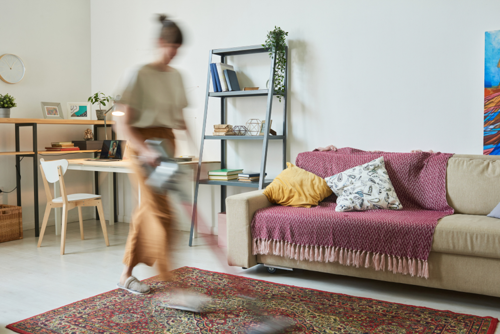
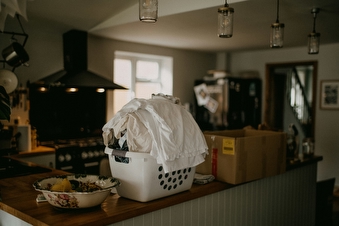
Modern family life has never been busier, and for many parents, the home has become a constant source of responsibility.
Our latest research explores the “invisible workload” many parents experience at home across the UK. Based on a survey of over 1,000 UK-based parents and guardians, the findings highlight how household tasks and clutter are creating pressure in everyday life.
From managing morning routines to staying on top of cleaning, laundry and family logistics, these responsibilities are essential to keeping a home running smoothly. However, the findings have revealed that the hard work around the house often goes unnoticed.
The weekly workload – what is causing parental burnout?
For parents, day-to-day life is made up of a wide range of tasks at home that are an ongoing commitment.
One in four (23%) report spending the equivalent of up to 68 hours a week on unpaid household work, showing how these responsibilities can rival a full-time job.
The research shows that general household cleaning is the most time-consuming responsibility, with a third of parents (33%) spending up to 10 hours per week on this task alone.
The household tasks taking up the most time each week include:
- General household cleaning (33%)
- Household admin and planning (26%)
- Laundry and ironing (25%)
- Morning routines (25%)
- Bedtime routines (23%)
- Transport and school logistics (23%)
- Toy tidying and organisation (22%)
- School uniform preparation (14%)
- Packing lunches (13%)
A quarter of parents (25%) spend up to 10 hours per week solely on laundry and ironing.
For some households, the pressure increased during certain life stages. Among parents aged 35-44, one in four (25%) say they spend more than 15 hours a week on general household cleaning, highlighting how workloads can intensify during this life stage.
Clutter is becoming a visible symptom of busy homes
With so much time spent on essential tasks like cleaning and routines, it becomes increasingly difficult to keep every area of the home organised. Therefore, it’s perhaps no surprise that clutter builds in many areas of the home.
The study found that children’s bedrooms are the most cluttered space, with a third (33%) of parents identifying them as a problem area.
Clutter in this space often increases as family life becomes busier. For example, 46% of parents aged 25-34 say children’s bedrooms are cluttered, compared to 24% of those aged 18-24. This suggests that as responsibilities grow, so do the challenges of keeping spaces organised.
The most common cluttered spaces include:
- Children’s bedrooms (33%)
- Spare bedrooms (25%)
- Living rooms (23%)
- Kitchens (20%)
- Primary bedroom (18%)
- Garage (16%)
- Hallway/entryway (12%)
- Utility/boot room/laundry area (12%)
- Playroom (11%)
- Dining room (9%)
These findings show how clutter is spreading into shared family spaces, making homes feel harder to manage and more overwhelming.
For many families, this isn’t about a lack of effort. Instead, it’s often a reflection of how much parents already have on their plates.
Parents admit their hard work around the house goes unsung
While the time spent on household jobs is significant, it’s also taking an emotional toll. Around three-quarters (72%) of parents feel their contributions at home can be overlooked by family members, showing that this is a common shared experience across many UK households.
For many, this isn’t a feeling that happens occasionally but is part of everyday life. More than half (55%) say they feel this way every week.
Parents aged 35-44 appear to be under the most pressure, with more than half (51%) reporting they feel their contributions go unnoticed at least several times a week, highlighting mid-life as a peak period of strain in managing both family and home responsibilities.
How fitted furniture can help to reduce the mental load
While the pressures of family life won’t disappear overnight, creating a home that supports daily routines can help reduce both physical clutter and mental strain.
Clutter is rarely down to a messy home, it’s usually a sign that a home isn’t quite working for the way a family lives.
When everyday items don’t have a clear place, they quickly build up and can make spaces feel overwhelming, adding to the mental load that many parents already carry.
By introducing thoughtful, well-designed storage that fits around everyday routines, from the school run to evening downtime, families can create calmer, more functional spaces that feel easier to maintain.
With that in mind, small changes to storage and layout can help reduce pressure over time.
Here are some practical ways to lighten the load:
1. Children's bedroom
Children’s bedrooms quickly become clutter hotspots as toys, clothes and school items quickly pile up over time. To stay on top of this, it’s important to choose storage that can adapt as they grow.
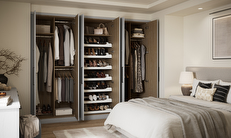
Opt for fitted wardrobes with adjustable shelving and integrated drawers so storage can evolve as needs change, from toy boxes to homework stations and clothing storage. Built-in solutions also help to maximise floor space, making it easier to keep the room functional for both playing and resting.
2. Spare bedrooms
Creating designated storage areas in a spare or primary bedroom can help to keep things in order. Fitted wardrobes with a mix of hanging space, drawers and internal organisers make it easier to keep everything in its place, from workwear to weekend outfits.
Choosing floor-to-ceiling designs can also maximise storage without interfering with floor space, helping the room to feel more open, organised and easier to maintain.
3. Living room
Living rooms are prime candidates when it comes to clutter, as they are a popular room for family and friends to congregate in, so it’s common for them to accumulate random items from all over the house.
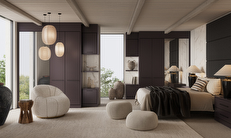
Consider using baskets for blankets, magazines, books and toys that belong in the living room but don’t always need to be on show. Alternatively, fitted living furniture often comes with hidden storage to help you stay on top of the clutter.
Another idea to reduce clutter is to introduce ottoman footstools, which offer extra pockets of storage. Some sofas also come with storage underneath, which can be ideal for bedding, blankets, or seasonal items such as Christmas decorations.
4. Hallway
Hallways are high-traffic areas that can quickly become cluttered, particularly with shoes, coats, and bags that are used on a daily basis.
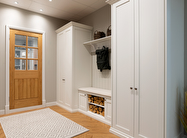
If this is a problem area, a slim hallway storage option can be useful, such as a wall-mounted shoe rack or even a covered bench which opens up to keep your shoes and accessories hidden.
For homes with limited space, fitted storage under the stairs is a practical way to make use of an unused area, helping to keep everything in one place.
5. Utility room
Utility rooms often carry a significant share of the household workload, from laundry to storage for outdoor wear and everyday essentials. Without a clear system, they can quickly become one of the most disorganised spaces in the home.
Introducing customisable cabinets that are made-to-measure can help transform this space into something more functional and tailored to your routines. A combination of closed cupboards and open shelving allows you to store bulkier items out of sight, while keeping frequently used essentials within easy reach.
Integrating appliances like washing machines and dryers into fitted units can also create a more streamlined and aesthetically pleasing finish, making the space feel easier to manage day to day.
A snapshot of modern family life
Ultimately, the findings from our research paint a clear picture of the challenges facing parents today.
The combination of time pressures, emotional load, and physical clutter shows how closely linked home organisation and wellbeing are. As responsibilities continue to grow, creating a home that supports, rather than adding to, daily routines, has never been more important.
By rethinking how space is used and ensuring it works for individual family life, households can become easier to manage, helping to lighten the invisible workload and create a calmer and more organised environment for everyone.
---------------------------------------------------------------------------------------------
Methodology: survey of 1000 UK-based parents and guardians ran April 2026.